How I plan my week starts every Sunday with my planners, my emails, our homeschool curriculum and a look at everything the upcoming week actually holds.
And yes.
I said planners.
Plural.
I currently use three. 😂
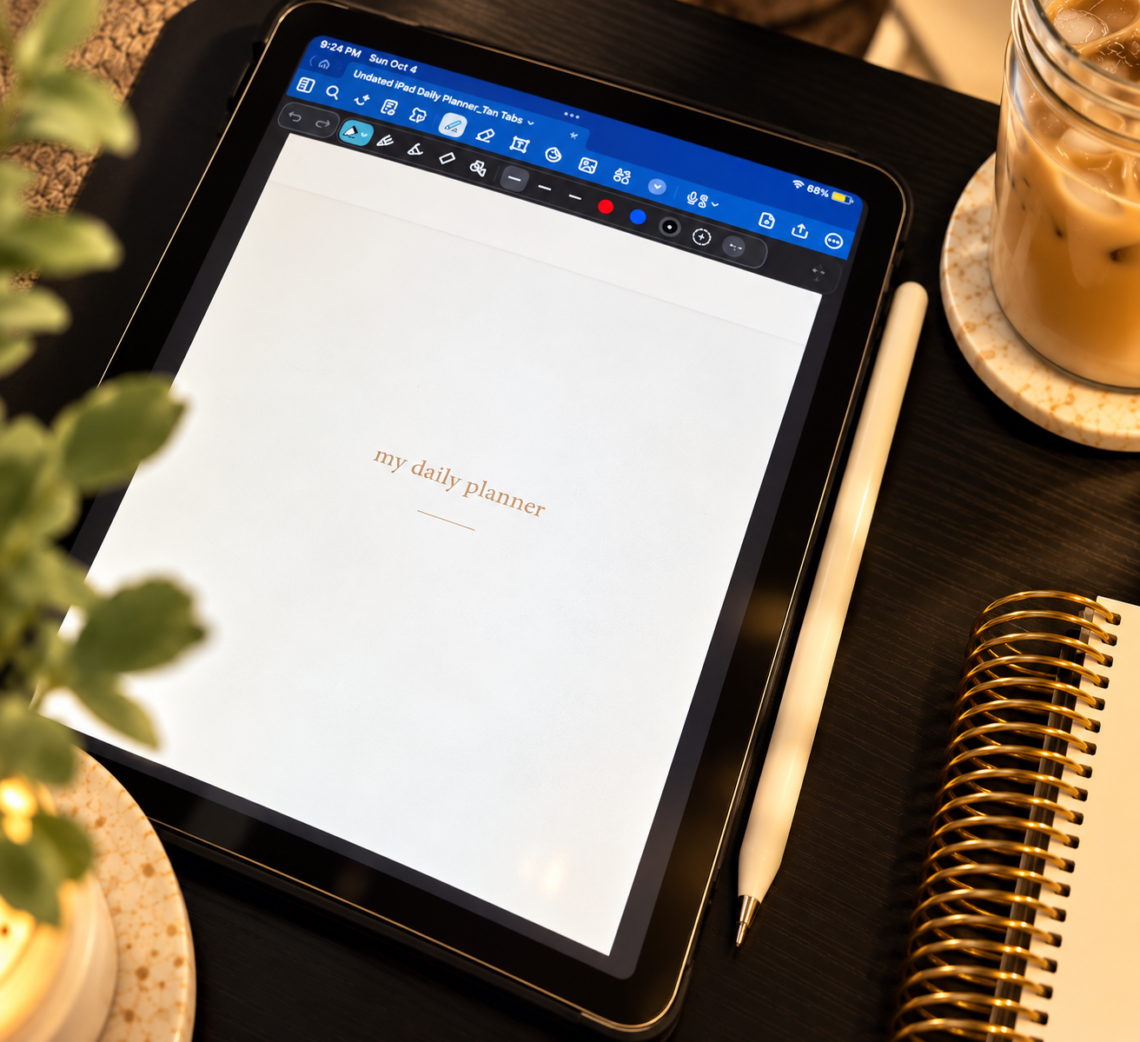
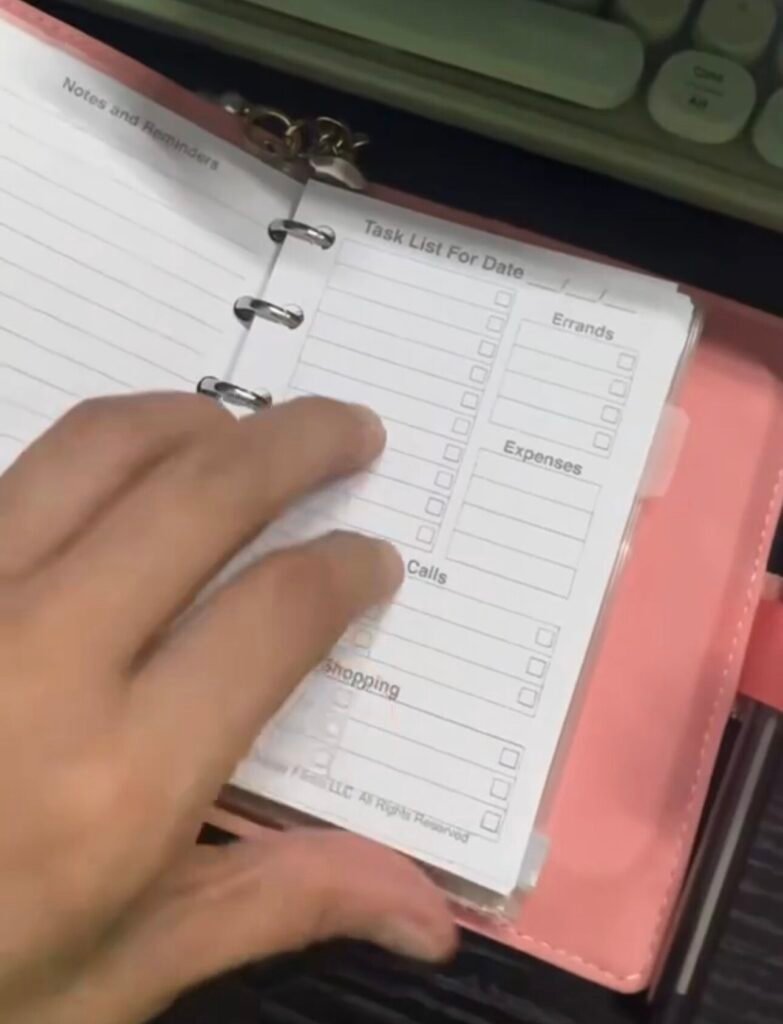
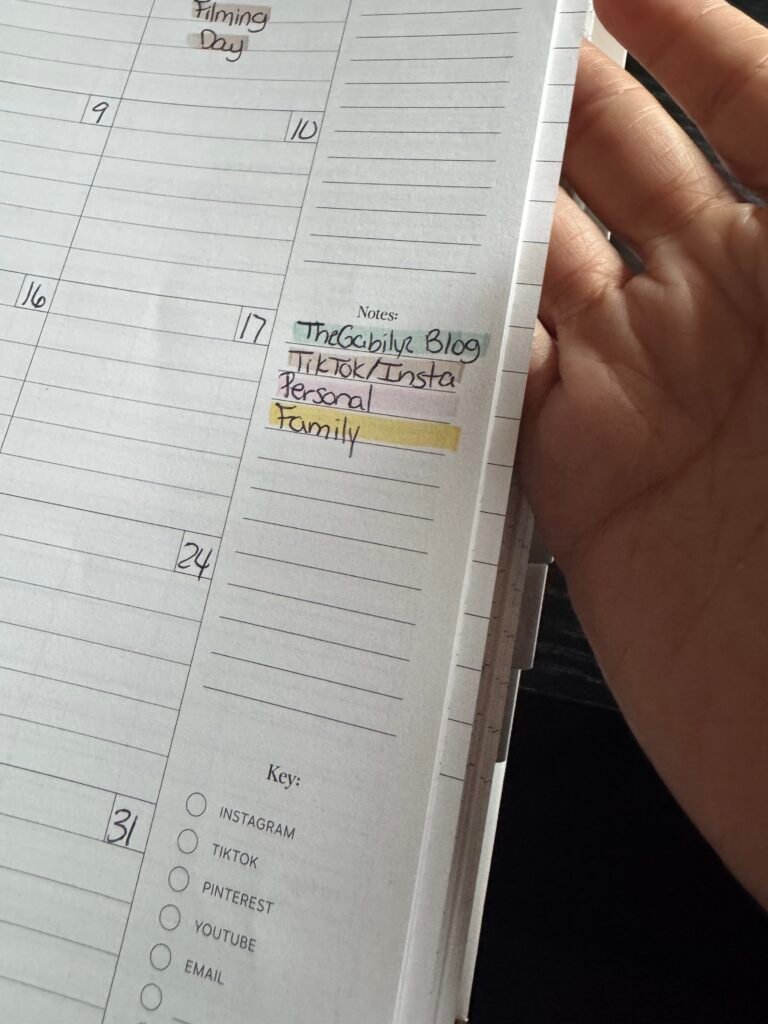
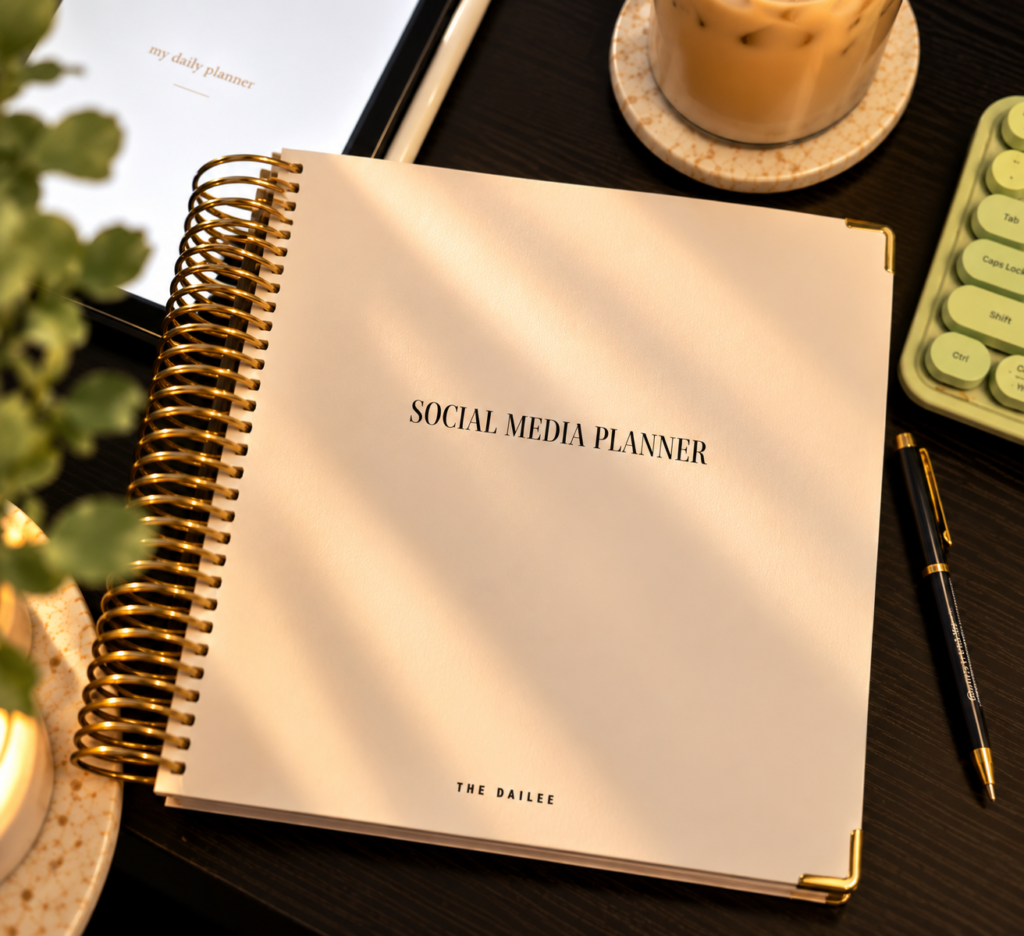
I have my physical The Dailee Social Media Planner, a tiny task-sheet style planner that fits inside my purse, and the digital version of The Dailee planner.
And because apparently one copy of my schedule isn’t enough for me…
All three basically contain the same information.
Is it a little extra?
Absolutely.
Does it work for me?
Also absolutely.
As a work-from-home mom, homeschool mom, content creator, blogger and small-business owner, there are a lot of moving pieces in my week. Planning doesn’t make everything go perfectly, but it gives me somewhere to begin.
And I’ve learned that having a plan makes it much easier to adjust when real life inevitably decides it has other plans.
How I Plan My Week Every Sunday
Sunday has naturally become the day when I reset and prepare for the week ahead.
I don’t start by immediately writing a giant to-do list.
First, I figure out what’s actually happening.
Do I have a phone call scheduled?
An appointment?
A meeting?
A brand deadline?
Something I agreed to weeks ago and would absolutely prefer not to suddenly remember the morning it’s due? 😂
Those are the things that go into my planners first.
I like starting with commitments that already have a specific date or deadline because those are the things the rest of my week needs to work around.
Then I Check My Content Deadlines
Content creation has added an entirely different category of deadlines to my life.
Some content is completely up to me.
Other content isn’t.
If I’m working with a brand or have a specific deliverable due, I need to know that before I start deciding what the rest of my week will look like.
So I’ll go through my social media and content obligations and see what’s coming up.
Is something due this week?
Do I need to film?
Edit?
Post?
Send something for approval?
Do I have a blog post planned?
Is there something I need to prepare ahead of time?
I get those things into the planners too.
This is especially important for me because I don’t want content creation to become something I’m constantly reacting to at the last minute.
There will always be unexpected things that come up, but if I already know what I can prepare for, I would rather prepare for it.
Homeschooling Gets Planned Too
Then there’s an entire other department of this household:
School. 😂
With three children at different ages and stages of learning, I need to know what they’re working on during the week too.
I’ll go into their curriculum, look at what’s coming up and make sure we have a general idea of what needs to be completed.
That helps them know what’s expected, but it also helps me see how much our week already holds.
One of the things I love about homeschooling is the flexibility.
If someone needs more time on something, we can give it more time.
If we’re moving through something quickly, we can keep going.
But flexibility works much better for us when there’s still some kind of structure underneath it.
Knowing what’s ahead gives us that structure.
Yes, I Really Use Three Planners
Now let’s address the obvious question.
Why in the world do I need the same information in three places? 😂
Honestly?
Because it makes me feel more organized and secure knowing I can access my schedule no matter where I am.
Using three planners may sound excessive, but it’s become an important part of how I plan my week and keep everything in one consistent system.
My physical The Dailee Social Media Planner gives me the full paper-planning experience I love. I can sit down, write everything out, look at the week in front of me and physically work through my plans.
My smaller task-sheet planner fits in my purse.
If I’m out of the house and need to quickly check something, I have it.
Then I have my digital The Dailee planner, which gives me another way to access the same general information from my device.
I’m not dividing my life into three separate systems.
That’s the important part.
I don’t have one planner where appointments live, another where content lives and another where homeschooling lives.
They’re three versions of the same system.
Could I survive with one?
Obviously. 😂
But this works for my brain.
And I’ve learned that the best planning system isn’t necessarily the most minimal or aesthetically perfect one.
It’s the one you’ll actually use.
I Need to See My Week
Writing everything down also helps get it out of my head.
When you’re managing a home, homeschooling, creating content, working on a business and keeping track of everyday family life, it’s very easy to constantly feel like you’re forgetting something.
Sometimes the mental list is more exhausting than the actual list.
Once I can see everything in front of me, I don’t have to keep mentally cycling through:
What am I forgetting?
Wasn’t something due Thursday?
Do I have an appointment this week?
What are the kids doing tomorrow?
Didn’t I promise somebody a video?
It’s written down.
I can look.
That alone gives me a little more mental space.
My Planner Is a Guide, Not My Boss
This may be the most important part of how I plan.
I expect the plan to change.
I have three children.
I work from home.
I homeschool.
I create content.
I have a household.
Something is going to happen. 😂
An appointment may get moved.
Homeschooling may take longer.
A child may need more of my attention.
Something may come up with work.
I may have planned to film three videos and realize that absolutely nobody—including me—is cooperating with that plan today.
That’s life.
I don’t want my planner to make me feel like I’ve failed because Tuesday didn’t look exactly like I thought it would on Sunday.
The planner gives me a base.
If something needs to move, I move it.
If something becomes less important, I reevaluate it.
If tomorrow makes more sense, it becomes tomorrow’s task.
Planning is supposed to help me manage my life.
My life isn’t supposed to revolve around perfectly following my planner.
Routine Gives Me Something to Return To
This is something I’ve realized about both our family routine and my planning routine.
Neither exists because I expect life to be perfectly predictable.
They exist because life isn’t perfectly predictable.
Having some structure gives us something to come back to.
If Monday gets completely thrown off, I can look at Tuesday and reset.
If something didn’t get finished, I know where it needs to go.
If I suddenly have a busier day than expected, I can look at the rest of the week and decide what can move.
That’s why planning works so well for me.
It doesn’t eliminate chaos.
It helps me navigate it.
Planning Helps Me Protect What Matters
There’s another reason I like seeing everything together.
It helps me notice when I’m trying to do too much.
Put all of those things on the same weekly schedule?
Oh.
😂
Suddenly I can see that Wednesday already has quite enough going on and perhaps I do not need to add six additional tasks because I got ambitious Sunday night.
Planning helps me prioritize.
Some things genuinely need to happen.
Some things would be nice to accomplish.
And some things can wait.
I’m getting much better at recognizing the difference.
I Don’t Plan Because I Have Everything Together
I think sometimes planners can give the impression that the person using them must be extremely organized and have their entire life under control.
Please don’t let the three planners fool you. 😂
I plan because I have a lot going on.
I plan because I don’t want to depend on remembering everything.
I plan because having information written down makes me feel less scattered.
I plan because I want to be intentional about my time.
And I plan because I know myself.
Without some kind of system, everything starts competing for my attention at the same time.
The planner gives those things somewhere to live besides my brain.
My Planning System Doesn’t Have to Make Sense to Everyone Else
Could someone look at my three planners containing essentially the same information and think I’m doing too much?
Absolutely.
They might even be right. 😂
But I’ve stopped thinking a planning system needs to look a certain way to be considered effective.
Some people need one digital calendar.
Some need a paper planner.
Some use their phone.
Some need sticky notes everywhere.
Apparently I need three planners telling me the same thing.
And you know what?
We’re thriving. 😂
The goal isn’t to build the most impressive planning system.
The goal is to create one that helps you live your actual life.
For me, that means sitting down every Sunday, figuring out what’s ahead, writing it down and giving myself a starting point for the week.
Then Monday comes.
Real life begins.
Things move.
Plans change.
And I adjust.
Because I’ve learned that planning isn’t about controlling every part of my week.
Over time, how I plan my week has become less about creating a perfect schedule and more about giving myself a clear starting point.
It’s about knowing what matters so I can make room for it. 💚