I’ve been a licensed esthetician for more than eight years, and in that time I’ve learned something very important:
Skincare does not need to be as complicated as the internet makes it.
I love that skincare has become such a big part of beauty and self-care conversations online. I love seeing people excited about taking care of their skin, discovering products and building routines they enjoy.
But social media has also created a LOT of skincare information.
And not all of it is good information. 😂
Between TikTok trends, influencers, product launches and routines with what feels like 37 different steps, it can become difficult to separate someone’s personal experience from information that actually applies to your skin.
So today, Licensed Esthetician Gaby is clocking in. 😂
These are some skincare habits I genuinely wish more people would stop doing—not because I expect anyone to have a perfect routine, but because sometimes taking better care of your skin starts with doing less, not more.
Stop Changing Your Entire Routine Every Time TikTok Finds a New Product
I love TikTok.
I’m a content creator.
I understand the influence.
But please remember that the product someone is obsessed with this week isn’t automatically something your skin needs.
One person’s holy grail can be completely wrong for someone else’s skin.
And constantly introducing new products can make it harder to understand what your skin actually likes or doesn’t like.
You don’t need to participate in every skincare trend.
Sometimes the boring routine that consistently works for you is exactly what you need.
Stop Copying Someone Else’s Entire Skincare Routine
This goes right along with trends.
Someone can have beautiful skin and an amazing routine.
That doesn’t mean copying every product they use will give you their skin.
Your skin is yours.
Different people have different skin types, sensitivities, concerns, environments, lifestyles and needs.
Use other people’s routines for inspiration if you want.
But don’t assume their routine should automatically become yours.
Learn your skin.
That is something I will probably say forever as an esthetician.
More Actives Doesn’t Automatically Mean Better Results
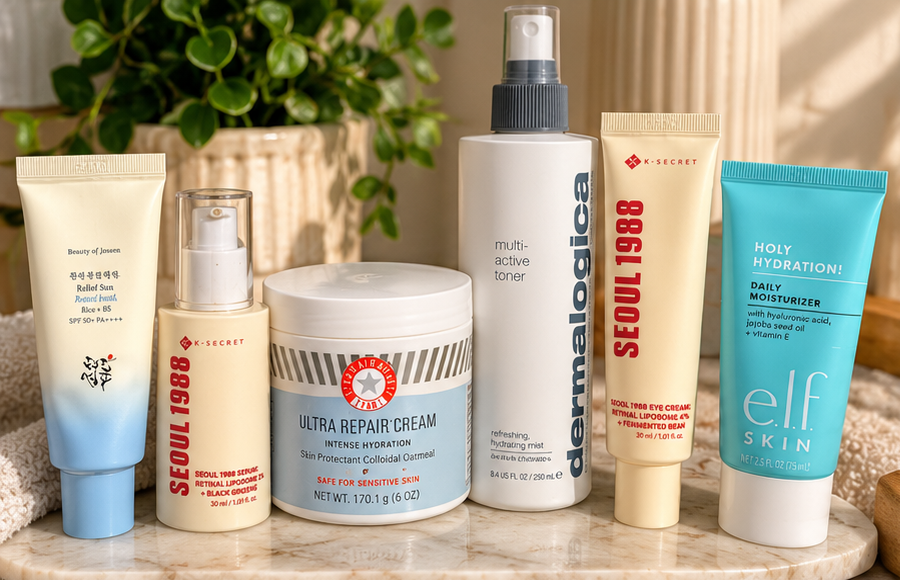
This one makes me nervous every time I see someone’s bathroom counter looking like a chemistry lab. 😂
People sometimes discover ingredients like exfoliating acids, retinoids and other active products and think:
If one is good…surely four together are better.
Please don’t build your routine around the idea that your skin needs to constantly be exfoliated, resurfaced or pushed harder.
More isn’t always better.
Stronger isn’t always better.
And irritation isn’t proof that something is “working.”
If you’re using active ingredients, understand what you’re using, introduce products thoughtfully and pay attention to how your skin responds.

Stop Assuming Expensive Means Better
I love luxury skincare.
I also love affordable skincare.
Those two things can coexist.
A higher price tag doesn’t automatically make a product more effective for your skin.
And on the other side, something being inexpensive doesn’t automatically mean it doesn’t work.
I’ve used affordable products that I genuinely enjoy and more expensive products that simply weren’t right for me.
Look at the product itself.
Look at the ingredients and formulation.
Look at what you’re trying to accomplish.
And most importantly, look at how your skin responds.
Your skin does not know what you paid at checkout. 😂
Please Stop Treating Makeup Like the Solution to Everything
Listen.
I love makeup too.
Makeup can be creative, fun and an amazing confidence boost.
But makeup and skincare serve different purposes.
If there’s something happening with your skin that concerns you, constantly covering it doesn’t necessarily address what’s happening underneath.
That doesn’t mean you can’t wear makeup while dealing with skin concerns.
Of course you can.
It simply means makeup shouldn’t automatically replace caring for your skin.
I want people to feel beautiful with makeup.
I also want them to feel comfortable caring for the skin underneath it.
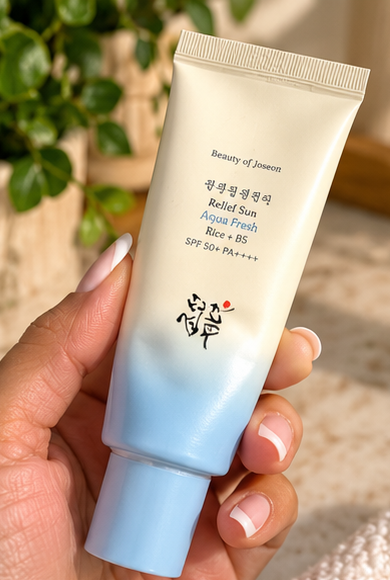
Not All Sunscreens Are the Same
This is another area where I think people oversimplify skincare.
Choosing sunscreen isn’t necessarily about grabbing any bottle that says sunscreen and assuming they’re all interchangeable.
Formulations can differ. The way products feel on the skin can differ. Some products may work better for your preferences, routine, activities or skin than others.
Finding sunscreen you actually enjoy wearing matters because consistency matters.
The best sunscreen routine isn’t the one sitting untouched in your cabinet because you hate how the product feels.
And Sunscreen Isn’t Always a One-and-Done Morning Step
Putting sunscreen on in the morning doesn’t necessarily mean you never have to think about sun protection again for the rest of the day.
Reapplication can matter, particularly depending on things like time outdoors, swimming, sweating and the directions for the sunscreen you’re using.
This is another reason I encourage people to actually read the product directions.
Your sunscreen manufacturer is giving you instructions for a reason. 😂
And sun protection can include more than a product alone—things like shade and protective clothing can play a role too.
Wash Your Hands Before Touching Your Face
Please.
PLEASE. 😭
You washed your face.
Your skin is clean.
Why are we immediately putting hands on it that have been touching a phone, keyboard, door handle, remote, countertop and everything else in the house?
Wash your hands before starting your skincare routine.
It takes very little time and it’s such an easy hygiene habit to build into your routine.
Stop Touching Products With Dirty Hands
The same principle applies to the products themselves.
If you’re using something that requires dipping your fingers into a container, don’t go into the product with dirty hands.
If your product comes with an applicator or spatula, keep that clean too.
Good skincare isn’t only about which ingredients you’re using.
How you handle your products matters too.
Please Stop Putting the Product Container Directly on Your Face
Oh, this one. 😂
You’ve washed your face.
Everything is clean.
Then you take your dropper, applicator or product opening…
…and touch it directly to your skin.
Now that applicator is going back into or onto the product container.
Why?!
You don’t need to physically touch the dropper to your face to get the product onto your skin.
Dispense the product according to its directions without unnecessarily touching the container or applicator directly against your face.
Let’s keep the clean things clean. 😂
Stop Sharing Personal Skincare Products
I know sharing is caring.
But sometimes caring means:
Girl, get your own. 😂
Products and tools that come into direct contact with your skin shouldn’t automatically become community property.
This is especially important when something involves direct contact with fingers, lips, eyes, applicators or the skin itself.
There are plenty of things we can share.
Our personal skincare products don’t always need to be one of them.
Stop Expecting Overnight Results
Skincare marketing can make it seem like we’re supposed to use something before bed and wake up the next morning looking like we’ve been issued completely new skin.
That’s not realistic.
Some products can make your skin feel or appear different quickly.
Other skincare goals require consistency and time.
And some concerns may need professional evaluation rather than another product from your bathroom cabinet.
Give your routine an opportunity to actually be a routine.
Constantly replacing products because you didn’t get dramatic results immediately can keep you stuck in an endless cycle of starting over.
“Natural” Doesn’t Automatically Mean Gentle
As someone who makes handmade skincare products, this is especially important to me.
I love natural ingredients.
My skincare business is rooted in them.
But natural does not automatically mean appropriate for every person or every skin type.
Natural ingredients can still cause irritation or reactions.
Essential oils aren’t automatically appropriate for everyone simply because they’re derived from plants.
Something being natural doesn’t remove the need to understand what you’re putting on your skin.
“Natural” and “safe for absolutely everyone” are not synonyms.
Your Personal Skincare Success Doesn’t Automatically Make You an Expert
Okay.
Let’s talk about it. 😂
You can absolutely share your skincare routine online.
You can tell people what worked for you.
You can recommend a moisturizer you love.
You can say:
“This product made a huge difference for my skin.”
That’s your experience.
What I don’t love is when personal experience suddenly becomes professional authority.
Having clear skin doesn’t automatically make someone a skincare expert.
Having a large social media following doesn’t automatically make someone a skincare expert.
Receiving PR from skincare companies doesn’t automatically make someone a skincare expert.
And having one routine work beautifully for you doesn’t mean you now understand what everybody else’s skin needs.
There’s nothing wrong with being a skincare enthusiast.
There’s nothing wrong with being a beauty creator.
There’s nothing wrong with sharing what works for you.
Just be honest about where the information is coming from.

Influencer Status and Professional Expertise Are Not the Same Thing
I think this distinction is becoming increasingly important because social media has blurred the line between recommendation and education.
And I say that as someone who exists in both worlds.
I’m a content creator.
I’m also a licensed esthetician.
When I’m sharing something simply because I personally enjoy it, I can say that.
When I’m speaking from my professional training and experience as an esthetician, that’s different.
Neither one has to diminish the other.
But audiences deserve to understand the difference.
A creator can have an incredible platform and valuable personal experiences without pretending to have professional credentials they don’t have.
And professionals can still acknowledge that our education doesn’t mean we know everything.
Good skincare education should leave room for both expertise and humility.
You Probably Don’t Need a 15-Step Routine
If skincare has become so complicated that you dread doing it, we may need to reevaluate. 😂
A routine doesn’t have to cover your entire bathroom counter to be worthwhile.
For someone who is completely overwhelmed by skincare, I would much rather see them establish a simple routine they can consistently follow than buy a dozen products they don’t understand.
The exact routine will depend on the person, but skincare doesn’t need to become a nightly science project.
Start with the basics.
Learn what your skin needs.
Build from there when there’s actually a reason to.
Learn Your Skin Before You Learn Every Trend
If there’s one thing I wish more people understood about skincare, it’s this:
Your skin doesn’t care what’s trending.
It doesn’t care that a product went viral.
It doesn’t care how aesthetically pleasing someone’s routine looks.
It doesn’t care whether your moisturizer cost $15 or $150.
Your skin responds to what you’re actually doing to it.
So pay attention.
Be consistent.
Keep things clean.
Protect your skin from the sun.
Don’t overload your routine because the internet told you more is better.
And please remember that someone’s personal experience—even mine—isn’t automatically a prescription for your skin.
I’ve spent years working in esthetics, and one of the things that experience has reinforced for me is that skincare is incredibly personal.
You don’t need to chase every new product.
You need to learn your skin. 💚
Professional note: I’m a licensed esthetician sharing general skincare education and my professional perspective. This article isn’t intended to diagnose or treat a skin or medical condition. Individual needs vary, and persistent or concerning skin issues should be discussed with an appropriate qualified healthcare professional.